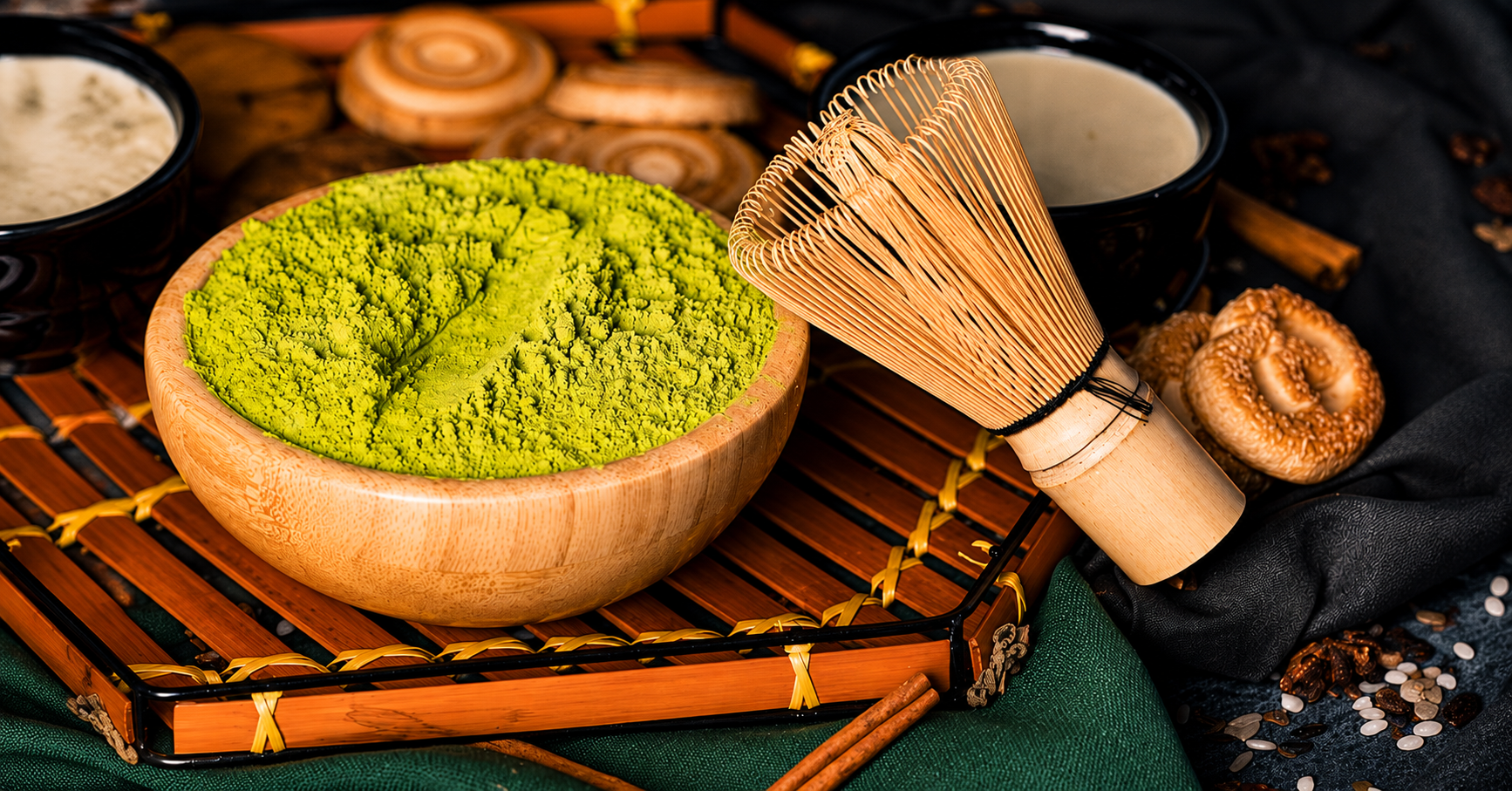
You typed “matcha near me” because you want a good cup, not a lecture. Fair enough. But here’s the thing nobody tells you before you walk into that cute café on the corner: a lot of what’s being poured right now isn’t quite what it claims to be. Between 2024 and 2026, real ceremonial-grade matcha became genuinely scarce, and that scarcity has changed what shows up in your cup — and your city.
This guide is short on fluff and long on what actually helps: how to search smarter, what to check once you’re standing in line, and how to tell a shop that knows matcha from one just riding the trend.
Why “Matcha Near Me” Isn’t as Simple as It Used to Be
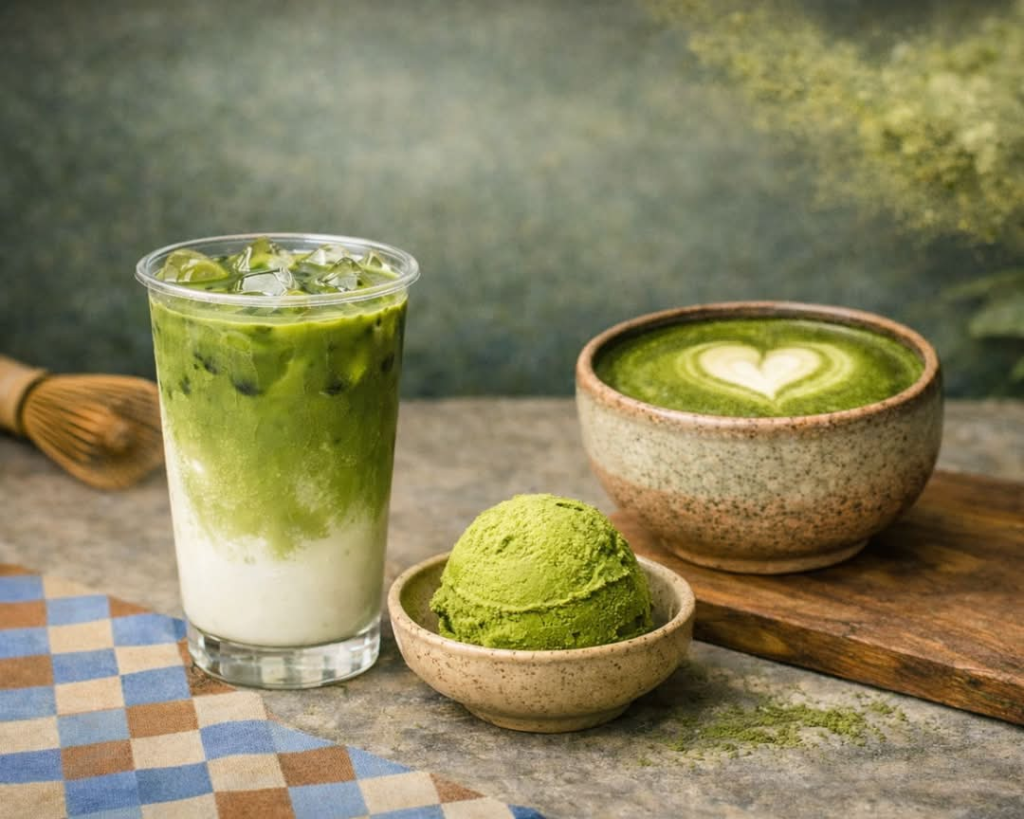
A few years ago, finding matcha near you just meant checking which café had it on the menu. Today it’s a little more complicated, and the reason is supply, not demand.
Japan’s tencha harvest — the shade-grown leaf that becomes ceremonial matcha — has been running short since late 2024. Farmland is limited, the farming workforce has been aging for two decades, and a newly planted tea field takes four to five years before it produces usable leaf. Meanwhile, worldwide interest in matcha has kept climbing. That mismatch pushed auction prices for premium tencha to roughly double what they were a year earlier, and some 2026 lots sold for even more than that.
What does this mean for your local search? Two things:
- Some cafés have quietly switched to lower grades of matcha, or blended it with sencha powder, without changing the price.
- Others have leaned into the shortage as a badge of honor, sourcing carefully and explaining exactly where their matcha comes from.
Your job, when you search “matcha near me,” is to tell these two apart.
What Actually Shows Up When You Search
When you type that phrase into Google or Maps, you’ll typically get a mix of:
- Specialty tea houses and matcha bars
- Coffee shops that added a matcha latte to compete
- Bakeries and dessert shops using matcha as a flavor, not a focus
- Bubble tea chains with matcha on a long syrup-heavy menu
All four can be worth visiting, but they’re not the same experience. A dedicated tea house is more likely to whisk matcha the traditional way and can usually tell you the region and grade. A large chain is more likely using a sweetened blend designed for consistency, not ceremony. Neither is “wrong” — it just depends on what you’re after.
Quick Way to Filter Results
Before you drive anywhere, a 30-second check saves you a wasted trip:
- Open the shop’s Google listing and look at recent photos, not just the menu photo.
- Search the shop name plus “matcha” to see if anyone has mentioned the brand or origin they use.
- Check reviews from the last two to three months — matcha quality has shifted fast in 2026, so an old five-star review may not reflect what’s in the tin now.
How to Tell Real Ceremonial Matcha From the Rest
You don’t need to be a tea sommelier to spot the basics. A few things tend to separate the real deal from a stretched-out substitute.
| Sign | Real Ceremonial Matcha | Lower Grade or Blended |
|---|---|---|
| Color | Vivid, almost neon green | Dull green, sometimes yellowish |
| Smell | Fresh, grassy, slightly sweet | Flat or slightly bitter/hay-like |
| Texture | Fine, almost silky powder | Slightly gritty |
| Taste (unsweetened) | Naturally smooth, mild sweetness | Sharp bitterness that needs sugar to mask |
| Price | Reflects current shortage pricing | Suspiciously cheap for “ceremonial” label |
If a shop is charging the same as it did two years ago and calling it ceremonial grade, that’s worth a polite question. Prices genuinely went up across the industry, so a shop that hasn’t adjusted is often using a different product, not being generous.
Also Read: Understanding Anonymous Imageboards Culture Mechanics and Safety
Questions Worth Asking the Barista
A shop that actually cares about matcha won’t mind these:
- “Where does your matcha come from — is it from Uji, Nishio, or another region?”
- “Is this ceremonial grade or culinary grade?”
- “Do you whisk it fresh, or is it pre-mixed?”
You’ll often get a real answer in the first five seconds — either confident detail, or a shrug. Both tell you something.
Café, Tea House, or Make It at Home?
There isn’t a single right answer here — it depends on what you want out of the cup.
- Go to a specialty tea house if you want the traditional experience: hand-whisked matcha, less sugar, and staff who can talk you through grades and origins.
- Go to a coffee shop or chain if you want convenience and a sweeter, milk-based drink, and you’re less concerned about ceremonial authenticity.
- Make it at home if you drink matcha often. Buying a smaller tin from a supplier who publishes harvest dates and origin often gets you fresher, more transparent matcha than a mystery blend at a busy counter — and it’s usually cheaper per cup during a shortage.
What’s Changing at Local Shops Right Now
A few shifts worth knowing about before you go searching:
- Some independent cafés have started offering tiered menus — an “everyday matcha latte” made with a more affordable grade, alongside a “single-origin ceremonial” option at a higher price. This is a reasonable response to rising costs, not a red flag.
- A number of Western cafés temporarily paused matcha drinks altogether in 2025 and early 2026 when they ran out of stock, rather than switch to a lower-quality substitute. If your usual spot has matcha back on the menu now, it’s often because they found a new, honest source.
- Bottled and canned matcha drinks from large beverage companies have increased pressure on the supply chain further, which is part of why smaller cafés are being more careful about where their matcha comes from.
None of this means matcha is disappearing. It means the market is sorting itself out, and the shops that survive the sorting tend to be the ones worth returning to.
Final Thought
Finding good matcha near you in 2026 takes a little more attention than it used to, but not much more effort. Check recent reviews, ask one honest question at the counter, and trust your eyes and nose before your first sip. The shortage has made real ceremonial matcha harder to find — but it’s also made it easier to spot who’s still doing it right.
FAQs
Is matcha really in shortage right now?
A genuine shortage of tencha, the shade-grown leaf used for ceremonial matcha, began in late 2024 and has continued through 2026. It’s specifically a shortage of the premium grade, not green tea overall.
Why did matcha prices go up so much?
Demand grew faster than Japan could expand production. Farmland is limited, the farming workforce has been shrinking for years, and new tea plants take four to five years to mature, so supply couldn’t keep pace with the surge in global interest.
How do I know if a café near me uses real ceremonial matcha?
Ask where it’s sourced from and whether it’s ceremonial or culinary grade. Vivid green color, a fine silky texture, and a smooth taste without added sugar are good signs. A price that hasn’t moved despite the shortage is a warning sign.
Is matcha from a chain café worse than from a tea house?
Not necessarily worse, just different. Chains usually use a sweetened, milk-based version meant for consistency at scale, while tea houses are more likely to whisk fresh ceremonial matcha and can tell you more about its origin.
Should I just buy matcha and make it myself instead of going out?
If you drink it often, yes — it’s usually more cost-effective and lets you control freshness and grade. For an occasional treat or the traditional whisked experience, a good local tea house is worth the visit.
Will matcha prices go back down soon?
Most industry sources don’t expect prices to drop back to pre-shortage levels soon. Once tencha prices rise this sharply, they tend to reset at a new, higher floor rather than fall back, even after future harvests improve supply.
For more updates visit: Connections Hint